
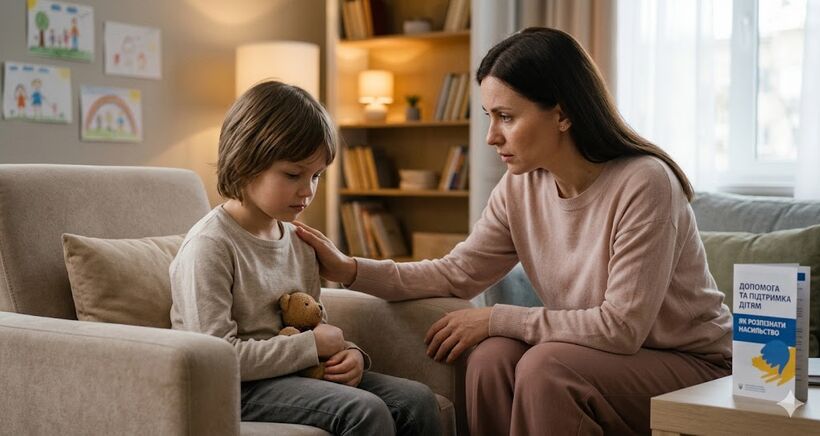
How to tell if a child has experienced abuse

Reading time: 8 minutes
Most children who are being hurt do not say so. They may be afraid, ashamed, or confused. They may have been threatened. They may not have the words, or they may believe it is their fault. That is why adults need to know what to look for.
This article explains the warning signs of child abuse, what to do if you notice them, and how to respond if a child tells you what happened.
Important: No single sign proves that abuse has occurred. Many of the behaviors below also appear in children going through divorce, bullying, grief, or other stress. What matters is the pattern: sudden changes, several signs together, or signs that persist.
Why Children Rarely Tell
Understanding silence helps you notice what is hidden:
- Fear. The abuser may have threatened the child or someone they love.
- Shame and guilt. Children often believe they caused it or “allowed” it.
- Loyalty or love. In most cases the abuser is someone the child knows and may care about.
- Lack of language. Young children may not understand what happened or have words for it.
- Fear of not being believed. Some children have tried to tell before and were dismissed.
Because of this, behavior often speaks louder than words.
Types of Abuse
Copy table
| Type | What it involves |
|---|---|
| Physical abuse | Hitting, shaking, burning, or any act that causes physical harm |
| Emotional abuse | Constant criticism, humiliation, threats, rejection, or isolation |
| Sexual abuse | Any sexual contact or exposure, including online exploitation |
| Neglect | Failure to provide food, safety, medical care, supervision, or affection |
Different types often overlap, and emotional harm accompanies all of them.
Warning Signs by Category
Physical Signs
- Unexplained bruises, burns, bite marks, or fractures
- Injuries in unusual places (inner arms, thighs, torso, ears)
- Injuries with inconsistent or changing explanations
- Pain, itching, bleeding, or injury in the genital area
- Frequent stomach aches or headaches with no medical cause
- Torn or stained underwear
Behavioral Signs
- Sudden changes in behavior: a cheerful child becomes withdrawn, or a calm child becomes aggressive
- Fear of a particular person, place, or situation
- Reluctance to go home or to be left with a specific adult
- Regression: bedwetting, thumb-sucking, or baby talk after outgrowing them
- Sleep problems, nightmares, or fear of the dark
- Changes in appetite
- Drop in school performance or refusal to attend school
- Self-harm or talk of wanting to disappear
Emotional Signs
- Anxiety, panic, or constant fearfulness
- Deep sadness or loss of interest in favorite activities
- Low self-esteem and statements like “I’m bad” or “It’s my fault”
- Extreme need to please, or extreme defiance
- Difficulty trusting adults
- Flinching at touch or sudden movement
Signs Specific to Possible Sexual Abuse
- Age-inappropriate knowledge of sexual acts or language
- Sexualized play or drawings
- Sudden modesty or refusal to undress, bathe, or change
- Avoiding being alone with a certain person
- Receiving gifts or special attention from an older person or teen without explanation
- Secretive behavior around phones or the internet
Signs of Neglect
- Persistent hunger, poor hygiene, or unwashed clothing
- Lack of medical or dental care
- Frequently left unsupervised
- Fatigue, listlessness, or constant sleepiness
Warning Signs in the Adult or Environment
Sometimes the signal comes not from the child but from the situation:
- An adult who is overly controlling or isolates the child from friends and family
- An adult who insists on frequent private time with the child
- An adult who blames or belittles the child constantly
- Parents who are unresponsive to the child’s needs or injuries
- A child who is anxious around one adult but relaxed around others
What to Do If You Suspect Abuse
1. Stay calm. Your reaction affects how safe the child feels about talking.
2. Create an opening, without pressure. Try: “I’ve noticed you seem upset lately. I care about you, and you can tell me anything.” Avoid interrogating or asking leading questions.
3. Keep the child safe. If they are in immediate danger, contact emergency services right away (911 in the US).
4. Document what you observe. Write down dates, behaviors, injuries, and anything the child says, using their own words. Do not investigate on your own.
5. Report your concerns. You do not need proof to report suspicion. Professionals will investigate.
- US: Childhelp National Child Abuse Hotline, 1-800-422-4453 (24/7, confidential)
- Emergency: 911
- Online safety: CyberTipline (report.cybertip.org)
- Other countries: Contact local child protection services or police
6. Seek professional support. A child psychologist or therapist trained in trauma can help the child heal.
What to Say If a Child Tells You
If a child discloses abuse, your response can shape their recovery.
Do:
- Stay calm and listen
- Say: “I believe you.”
- Say: “It’s not your fault.”
- Say: “I’m so glad you told me.”
- Tell them what happens next, honestly and simply
Don’t:
- Show shock, anger, or disgust
- Ask “Why didn’t you tell me sooner?”
- Push for details or ask leading questions
- Promise to keep it a secret (you must report it)
- Confront the suspected abuser yourself
Helping a Child Heal
Recovery is possible, especially with support. Children heal best when they have:
- At least one safe, consistent adult
- Predictable routines that restore a sense of security
- Professional therapy, such as trauma-focused cognitive behavioral therapy (TF-CBT)
- Patience. Healing is not linear, and setbacks are normal
- Reassurance that they are loved and not to blame
Be mindful of your own wellbeing too. Caregivers who support an abused child often need support themselves.
Prevention: Building a Foundation of Safety
You can reduce risk by creating an environment where children feel able to speak:
- Teach children the correct names for body parts
- Explain that no one has the right to touch them in ways that feel wrong, and that they can say no
- Teach the difference between safe and unsafe secrets
- Keep communication open: ask about their day, and listen without judgment
- Know who your child is with, online and offline
- Tell them they can always come to you, whatever happened
Key Takeaways
- Children rarely disclose abuse directly; changes in behavior are often the first sign.
- Look for patterns, not isolated signs.
- If you suspect abuse, you do not need proof to report.
- If a child tells you, believe them, stay calm, and get help.
- Recovery is possible with safety, support, and professional care.